Construction of Energy Storage System at 110/35/10 kV Substation: Key Components and Role in Grid Balancing
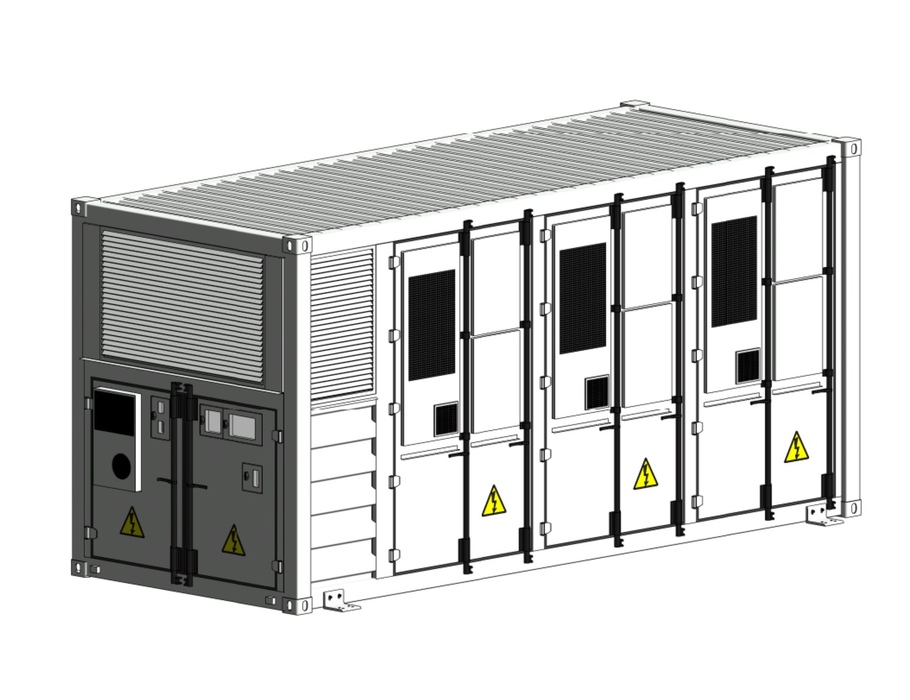
A new day, a new topic from our series on the UES, today we will share another object - the construction of an Energy Storage Facility at 110/35/10 kV substation in the Volyn region, and on its example we will tell you about the key components of the UES that ensure its efficiency and reliability
🟠 The main function of the UZE is to balance the power system. Due to the accumulation of excess energy during low consumption hours and its return at peak times, the system:
✔️ Avoids overloads
✔️ Stabilizes the grid voltage
✔️ Increases the reliability of power supply to critical infrastructure facilities
But the installation of the RCD is not the only component of the project, no less important are the following:
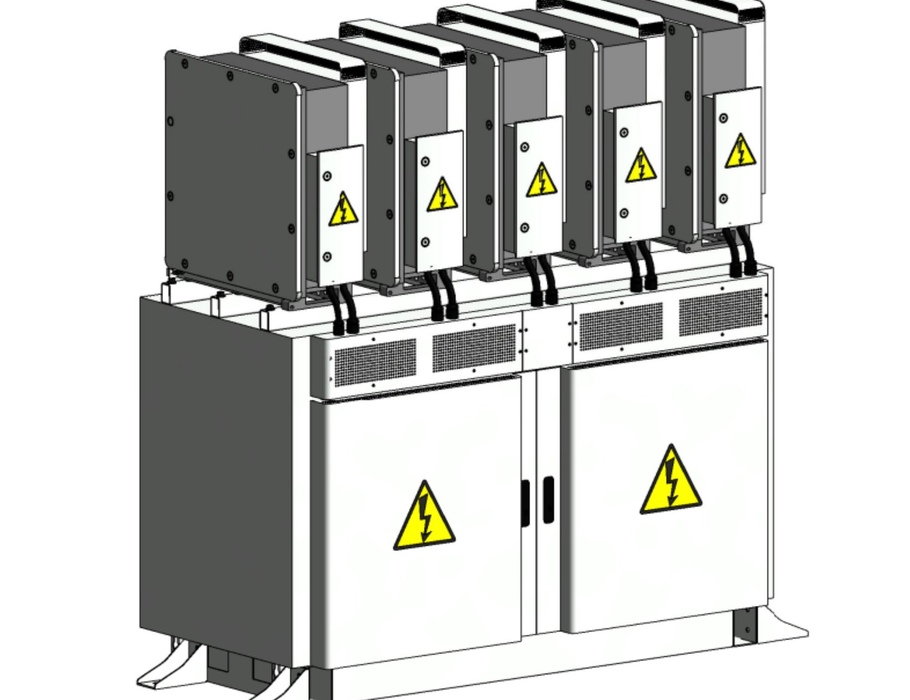
⚙️ The inverter part is a key link in the operation of the UPS. It is inverters that convert energy between direct and alternating current, which allows you to charge batteries or return the stored energy to the grid when needed.
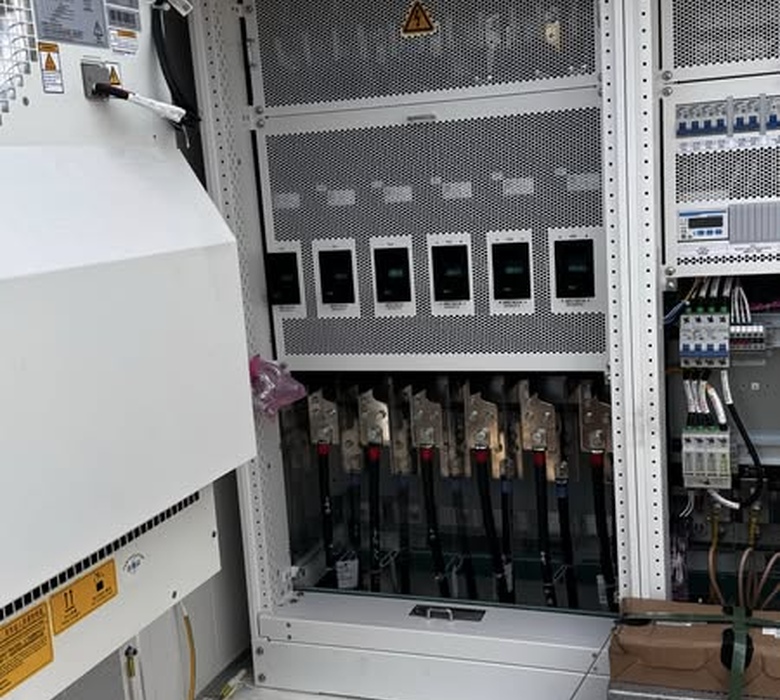
🧠 Power collection cabinet - organizes a secure connection between batteries and inverters, provides stability, protection and control of energy flows within the system.
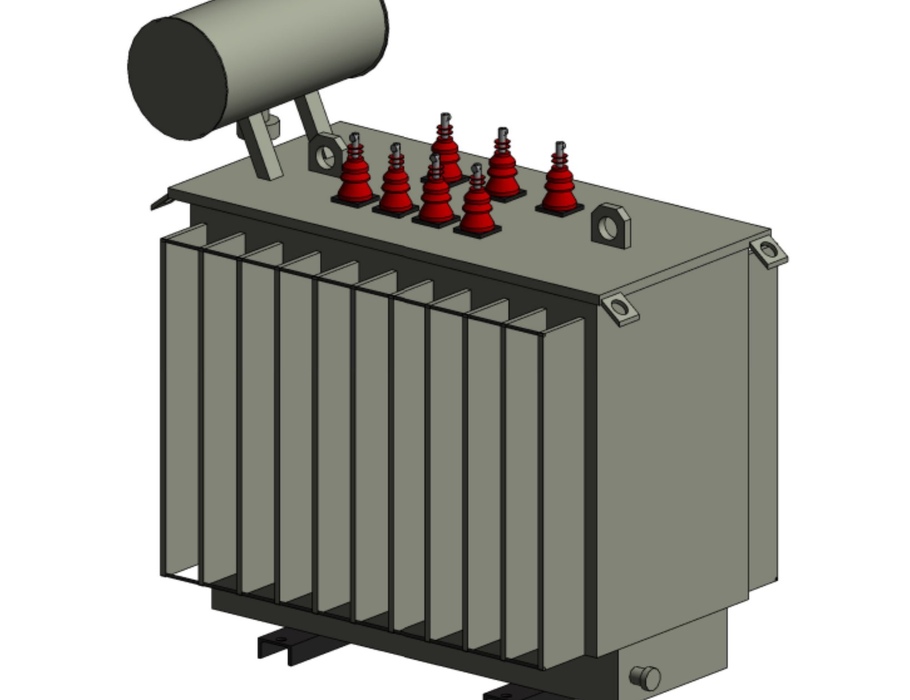
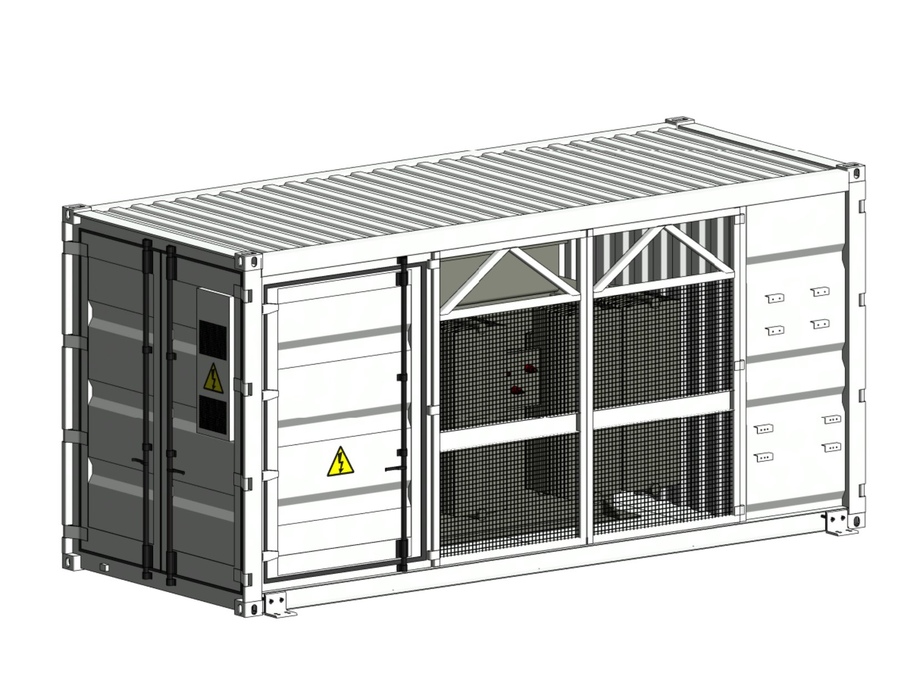
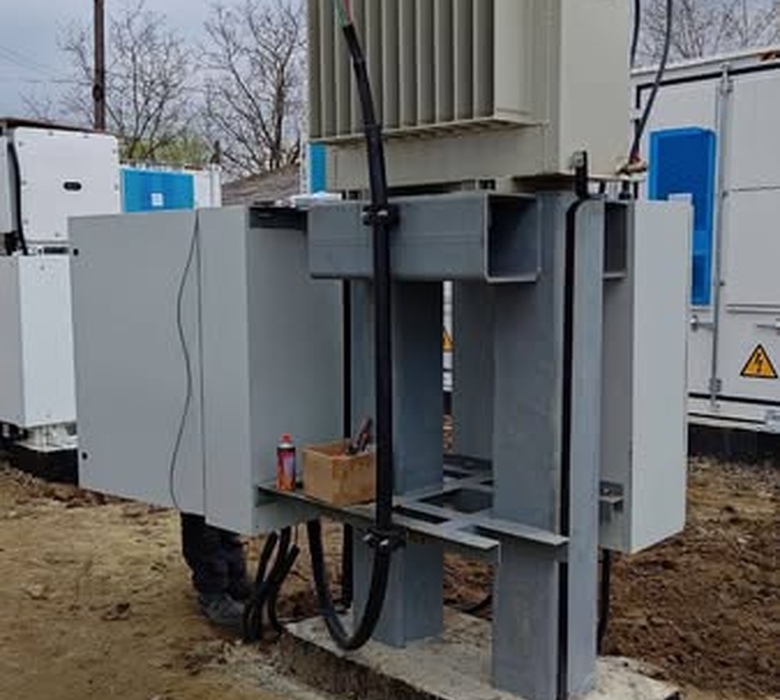
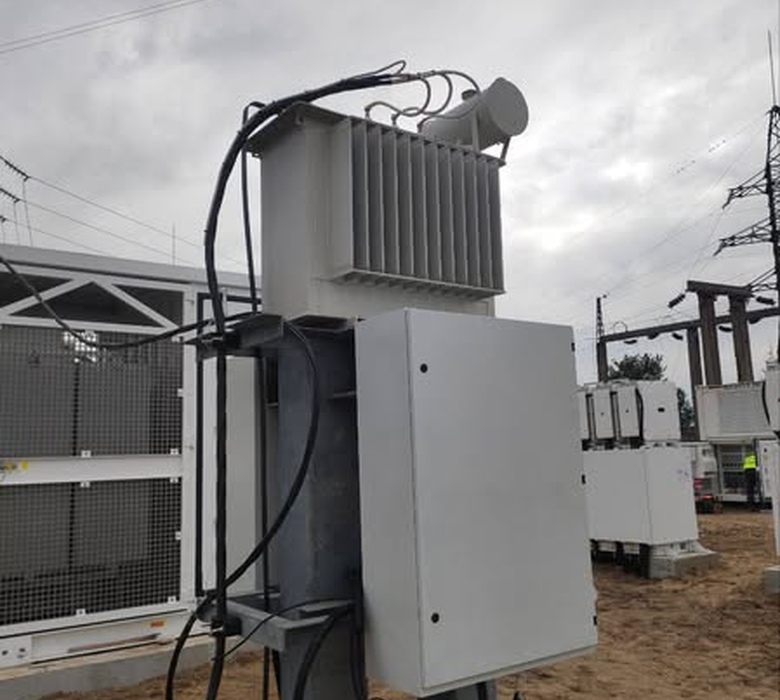
A complete transformer substation at the facility performs the function of converting the voltage between the storage facility and the grid, providing protection, metering and control. This is a technological bridge that allows you to integrate the storage device into the overall power supply system.
🪢 A little bit about cable networks:
All components of the UPS are connected into a single logical system - from DC cabinets to inverters, transformers and switchgear cells. All work was performed taking into account the parameters of the existing network and the requirements for power losses.
Another important stage before the launch of the GIS was the reconstruction of the 10 kV cell and replacement of power transformers, which ensured the technical readiness of the substation for the new equipment.
💡 Why it matters: This project demonstrates how modern technologies can be integrated into existing energy infrastructure. EMS is not just an innovation, it is a strategic step into the future of flexible and reliable energy.