6 kV Retrofit for ESS Integration: The Next Step in Smart Energy
🔧 Retrofit of a 6 kV cell for RCD connection ⚡️
The second object is the second post in the series “About RCDs”
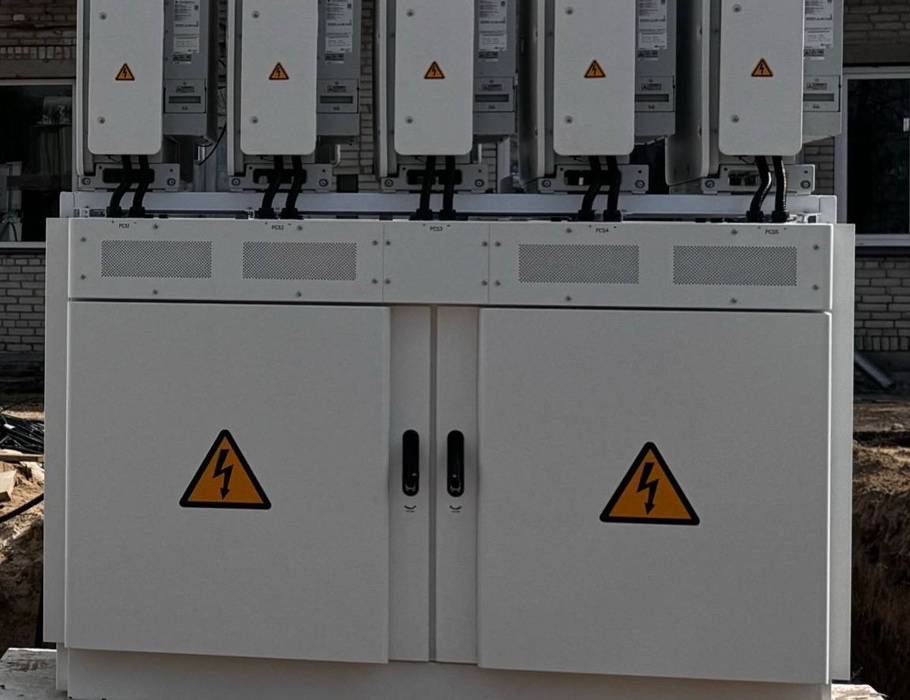
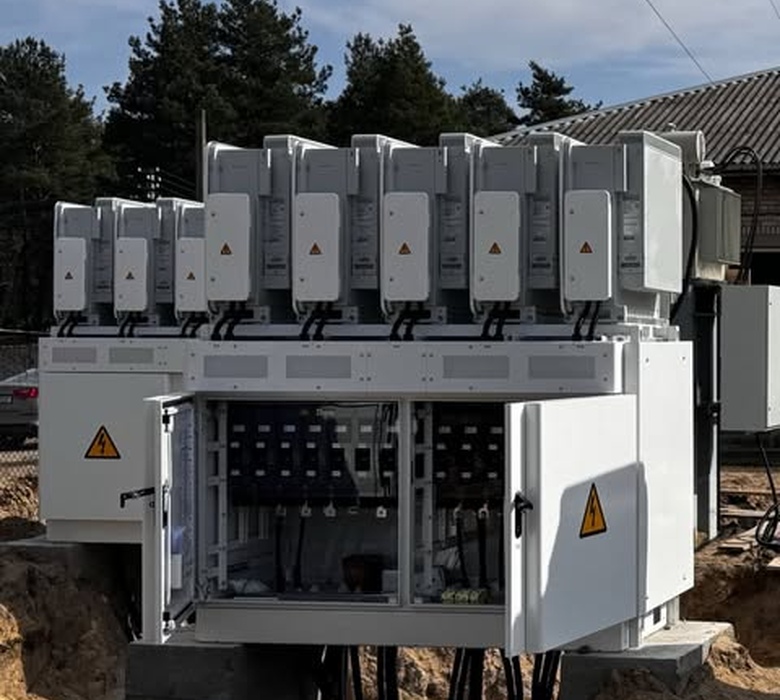
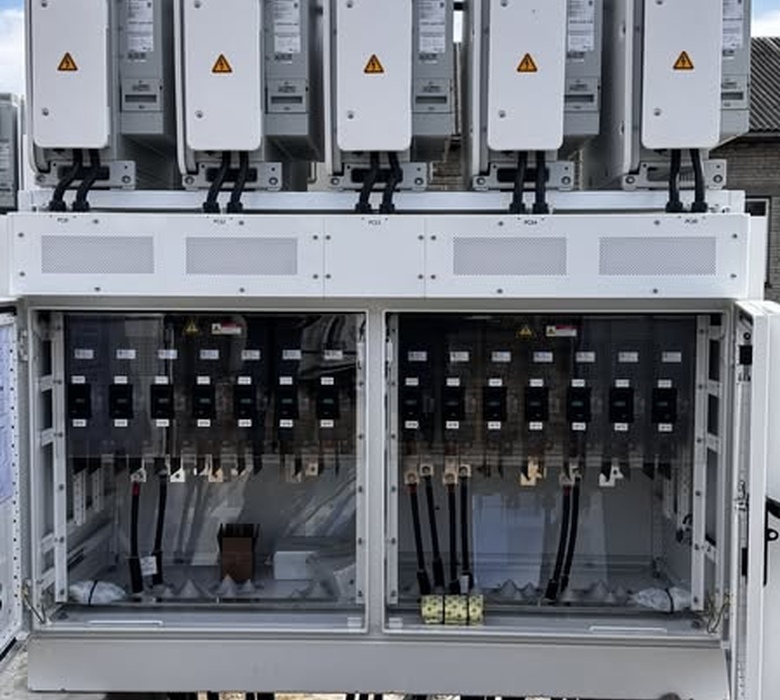
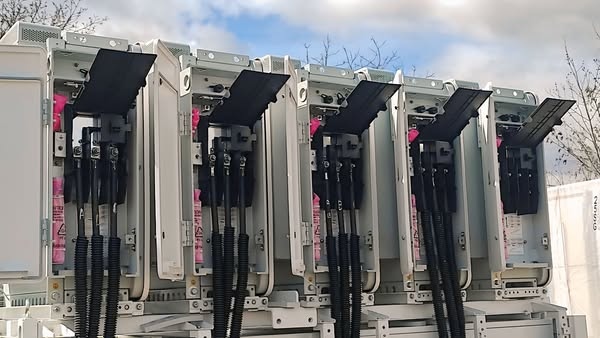
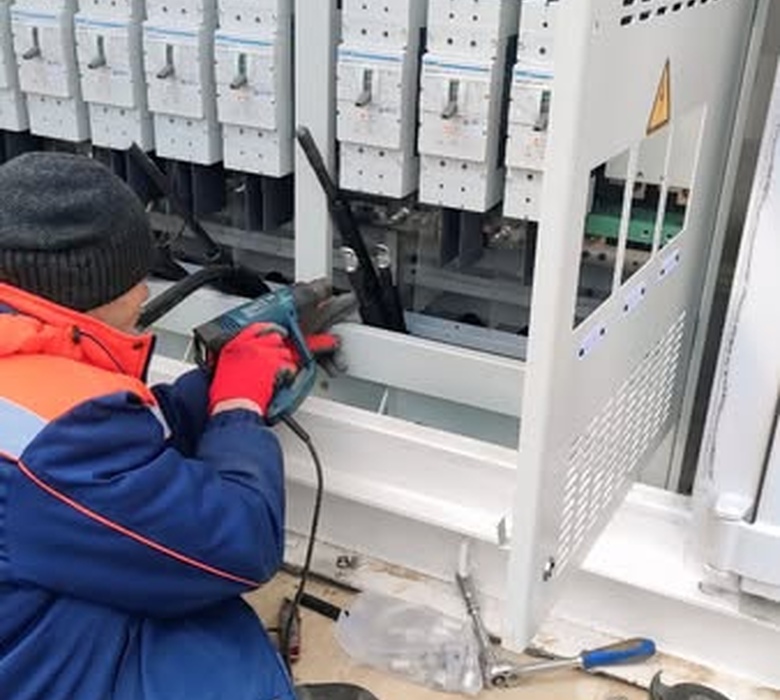
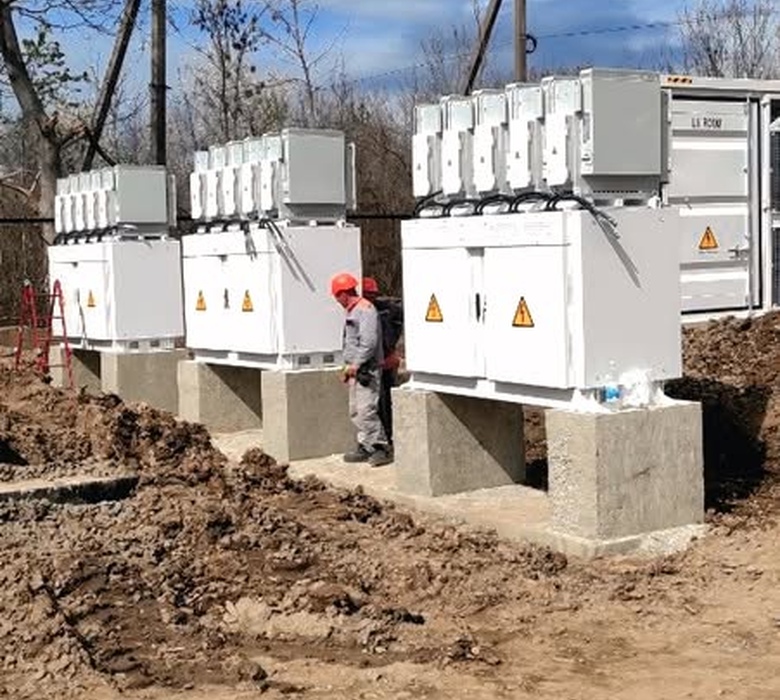
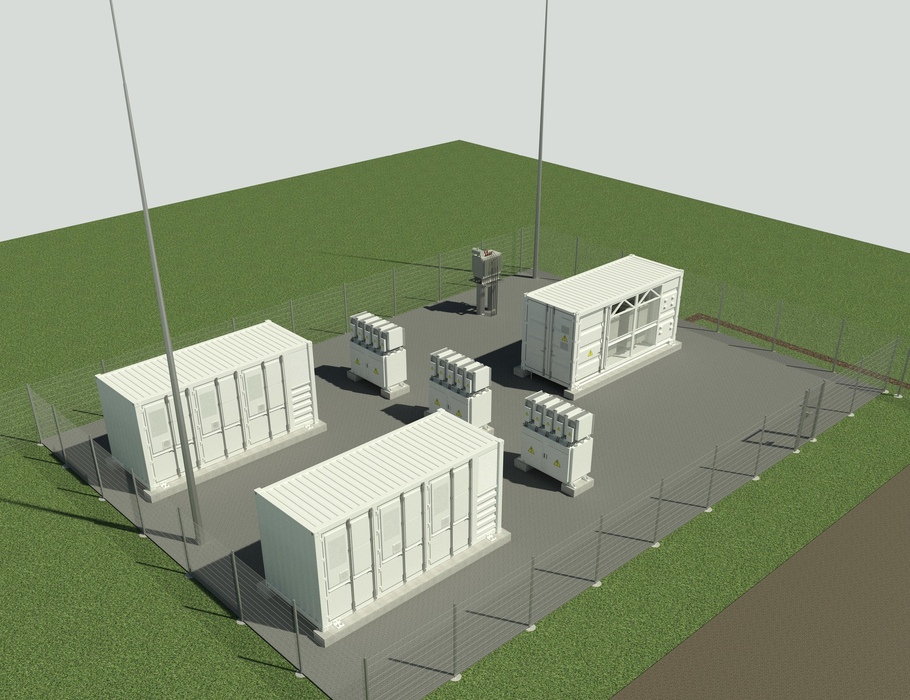
As part of the new project, a 6 kV cell is being reconstructed. The main goal is to connect a modern electricity storage unit (ESU) that will operate in the electricity ancillary services market.
The project provides for the replacement of the existing rolling element with a new one equipped with a vacuum circuit breaker, which will ensure reliable and safe connection to the grid.
🧠 What determines the technical level of the RCD?
Key characteristics that affect the efficiency, cost and scope of such systems:
🔸 Energy intensity is an indicator that reflects the total amount of stored energy (in kWh or MWh) that the system can transfer to the grid, taking into account its own losses.
Operating voltage - determines the voltage level at the point of connection and affects compatibility with other components of the grid.
Depth of discharge (DoD) - the limit to which the battery is allowed to be discharged without accelerating its wear, usually indicated as a percentage.
Lifetime - the estimated service life of the RCD depending on the modes of use and operating conditions.
Maximum charging/discharging rates - determines how fast the system can store or release energy.
🔸 Operating temperature range - important for stable operation in ambient conditions.
Self-discharge - loss of charge in the absence of load.
Physical parameters (weight, dimensions) - critical for design and installation.
Number of recharge cycles - how many complete charge/discharge cycles the RCD can withstand before losing efficiency.
Such installations are a step towards a more flexible, reliable and stable power system 💡